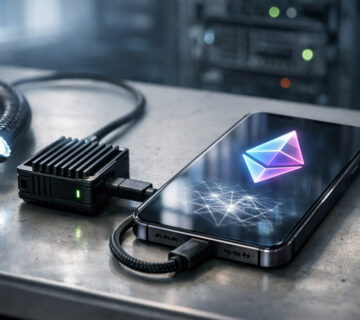
Trezor just unveiled Safe 7 and set a Nov. 23, 2025 ship date with the company is marketing the device as “quantum-ready.”
However, the label refers to the wallet’s ability to verify future firmware and device attestation using post-quantum cryptography once those paths are available, not to on-chain protections for Bitcoin or Ethereum today.
According to Trezor’s own explainer on quantum readiness, post-quantum upgrades for public networks do not exist yet, so Safe 7’s design goal is to accept, verify, and run those updates when they arrive, and to prove device authenticity across that transition.
The move extends the device chain of trust, meaning the boot process, attestation passport, and update checks are structured to add post-quantum algorithms later without swapping hardware.
A core part of the pitch is auditability at the silicon boundary.
Safe 7 introduces TROPIC01, a secure chip built so external researchers can inspect how it handles secrets such as the PIN and seed, instead of treating the silicon as a sealed black box.
According to Trezor, Safe 7 pairs TROPIC01 with a second, certified secure element for layered storage and tamper resistance, which aims to diversify failure modes and reduce single-point exposure.
The audit posture matters because much of the hardware wallet threat surface has shifted from network attacks to user endpoints and signing flows, where hardware, firmware, backups, and recovery procedures create practical choke points.
Connectivity is another change. Safe 7 adds Bluetooth for phone use, but the link runs through Trezor Host Protocol, which Trezor describes as an open specification that provides encryption, authentication, and integrity for host-to-device messages.
The company states that Bluetooth can be disabled and the device can operate in USB-only mode for users who do not want a wireless interface. That gives a clear operating choice for users who value
Go to Source to See Full Article
Author: Gino Matos