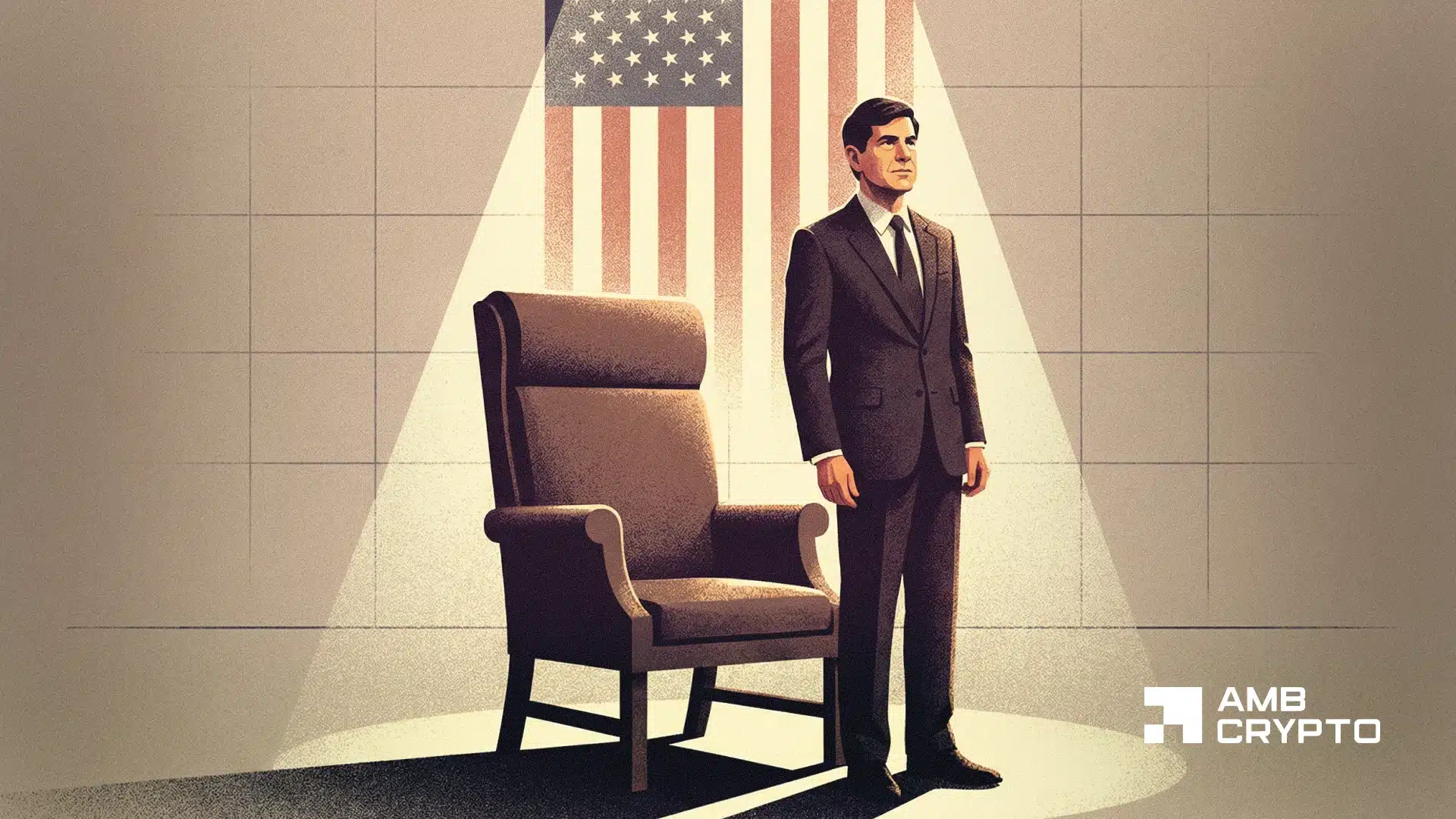
While the crypto market spent months debating whether a Bitcoin-friendly Federal Reserve could finally emerge, U.S. President Donald Trump confirmed that Kevin Warsh will replace Jerome Powell.
The White House sent the nomination to the Senate on the 4th of March, potentially ending a long-running clash between Trump and Powell.
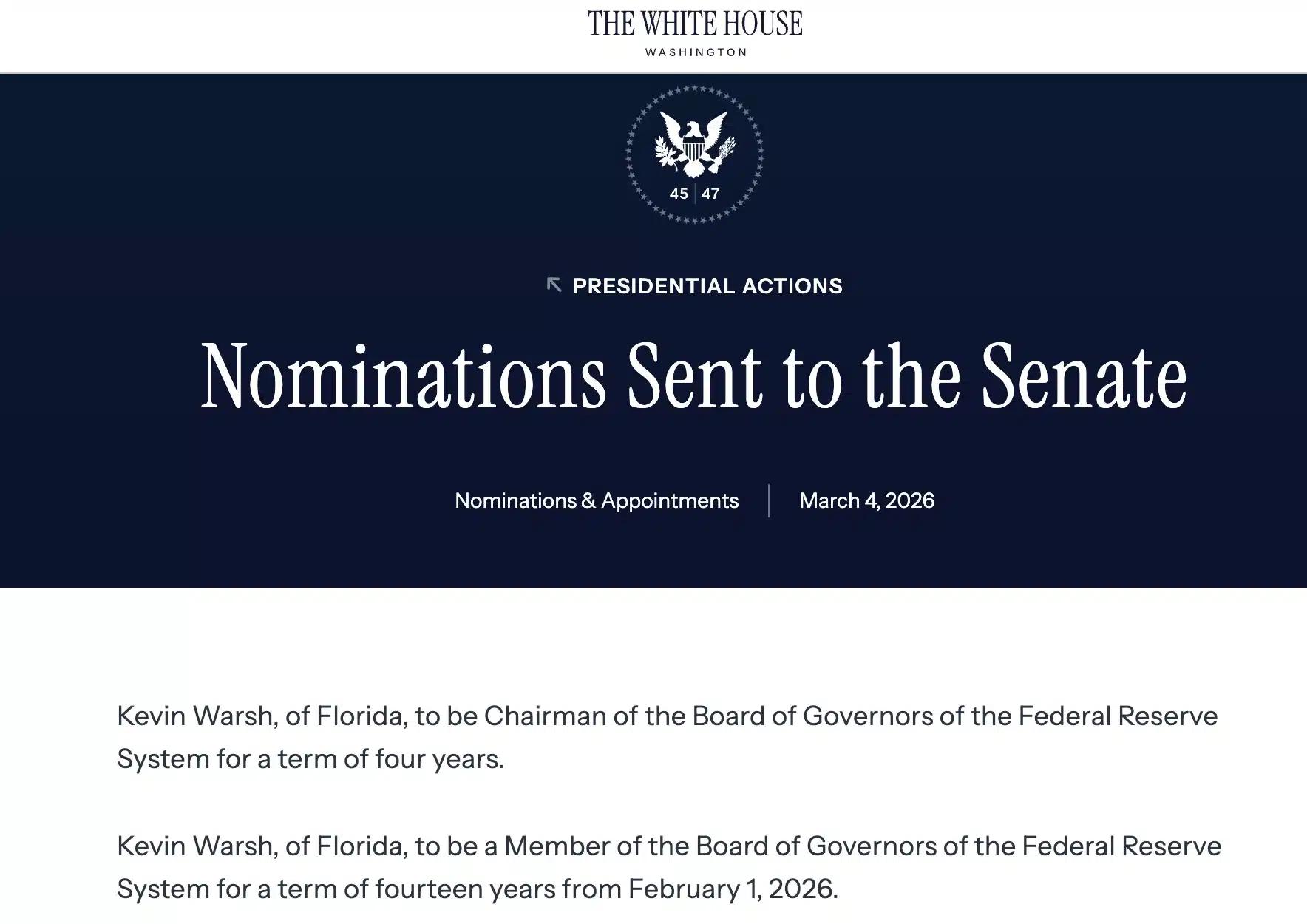
Source: White House
For those unaware, Trump has long criticized Powell’s interest rate policy, arguing that high rates slowed U.S. growth. He now wants Warsh to cut rates aggressively to support the economy.
At the same time, rising geopolitical tensions with Iran are driving oil prices higher and disrupting global supply chains, complicating the outlook.
These pressures increase the risk of inflation, which would make it harder for the Federal Reserve to reduce rates.
Notably, Warsh, known for his inflation‑hawk stance during the 2008 financial crisis, could face challenges if energy‑driven inflation rises.
Growing discomfort between Trump and Powell
That being said, Warsh’s nomination is unfolding during a major political dispute surrounding the Federal Reserve.
The U.S. Department of Justice and U.S. Attorney Jeanine Pirro have launched a criminal investigation into Powell over a $2.5 billion renovation of the Fed’s headquarters.
Investigators claim Powell misled Congress about rising costs. However, Powell has rejected the accusations and insists the investigation is politically motivated.
Not everyone is happy with Trump’s choice
Needless to say, Trump’s nomination has been facing resistance in the Senate for a month now. Senator Thom Tillis has said he will block any nominee until the investigation into Powell ends.
Tillis said,
“If there were any remaining doubt whether advisers within the Trump Administration are actively pushing to end the independence of the Federal Reserve, there should now be none.”
He added,
“It is now the independence and credibility of the Department of Justice that are in question. I will oppose the confirmation of any nominee for the Fed—including the upcoming Fed Chair vacancy—until this legal matter is fully resolved.”
Crypto market numbers paint a mixed picture
Zooming out, the nomination arrives at a dramatic moment for the crypto market.
At the time of reporting, Bitcoin [BTC] had climbed back above $72,000, while Ethereum [ETH] stabilized near $2,100. On the surface, these moves suggest the market is returning to bullish territory.
However, sentiment indicators tell a more cautious story. The Crypto Fear and Greed Index sat in the “Fear” zone, at press time, only slightly improving from the “Extreme Fear” levels recorded earlier.
Additionally, recent economic data reflects a similar divide.
The CPI data follows a similar pattern
The December CPI report showed inflation at 2.7% year-over-year, while Core CPI came in at 2.6%.
Trump praised the figures and described them as “Great (LOW!)” while again urging Powell to cut interest rates. However, the data still points to persistent inflation pressures.
If Warsh eventually leads the Federal Reserve and cuts rates while inflation remains elevated due to energy and housing costs, the decision could weaken confidence in the U.S. dollar.
In that scenario, Bitcoin and other digital assets could gain attention not because of easy money, but because investors seek assets that preserve value outside the traditional financial system.
In short, the crypto market is entering a critical period where politics, monetary policy, and investor confidence are colliding at the same time.
Final Summary
- Kevin Warsh’s nomination signals a potential policy shift that markets hope will bring faster interest rate cuts.
- Resistance from lawmakers such as Thom Tillis shows that Warsh’s confirmation may face political hurdles.
Go to Source to See Full Article
Author: Ishika Kumari