In brief
- OpenAI launched Sora 2 with audio generation and a cameo feature letting users insert real people into clips.
- Within hours, users generated NSFW ads, anime romance parodies, and Sam Altman deepfakes.
- Legal experts warned of deepfake risks and copyright violations as Sora replicated game and anime content.
OpenAI’s Sora 2 launched Tuesday with audio and social “cameos”—and within hours, the internet turned it into a meme factory testing the limits of moderation, likeness, and copyright.
The new version introduced audio generation and a “cameo” feature, allowing users to insert real people—celebrities, influencers, or even OpenAI CEO Sam Altman himself—directly into AI-generated clips. Combined with Sora’s existing cinematic quality, the tools instantly collided with questions of consent, identity, and ownership in the age of synthetic media.
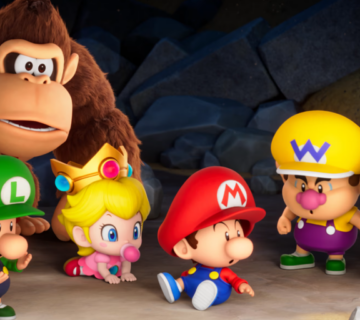
Legal experts warned the rollout marks a novel and risky shift in intellectual property, with Sora generating recognizable characters, brands, and personalities unless rights holders explicitly opt out—a reversal of traditional copyright standards. Sora’s training data appears to encompass major franchises from Pokémon to Studio Ghibli.
Go to Source to See Full Article
Author: Jose Antonio Lanz