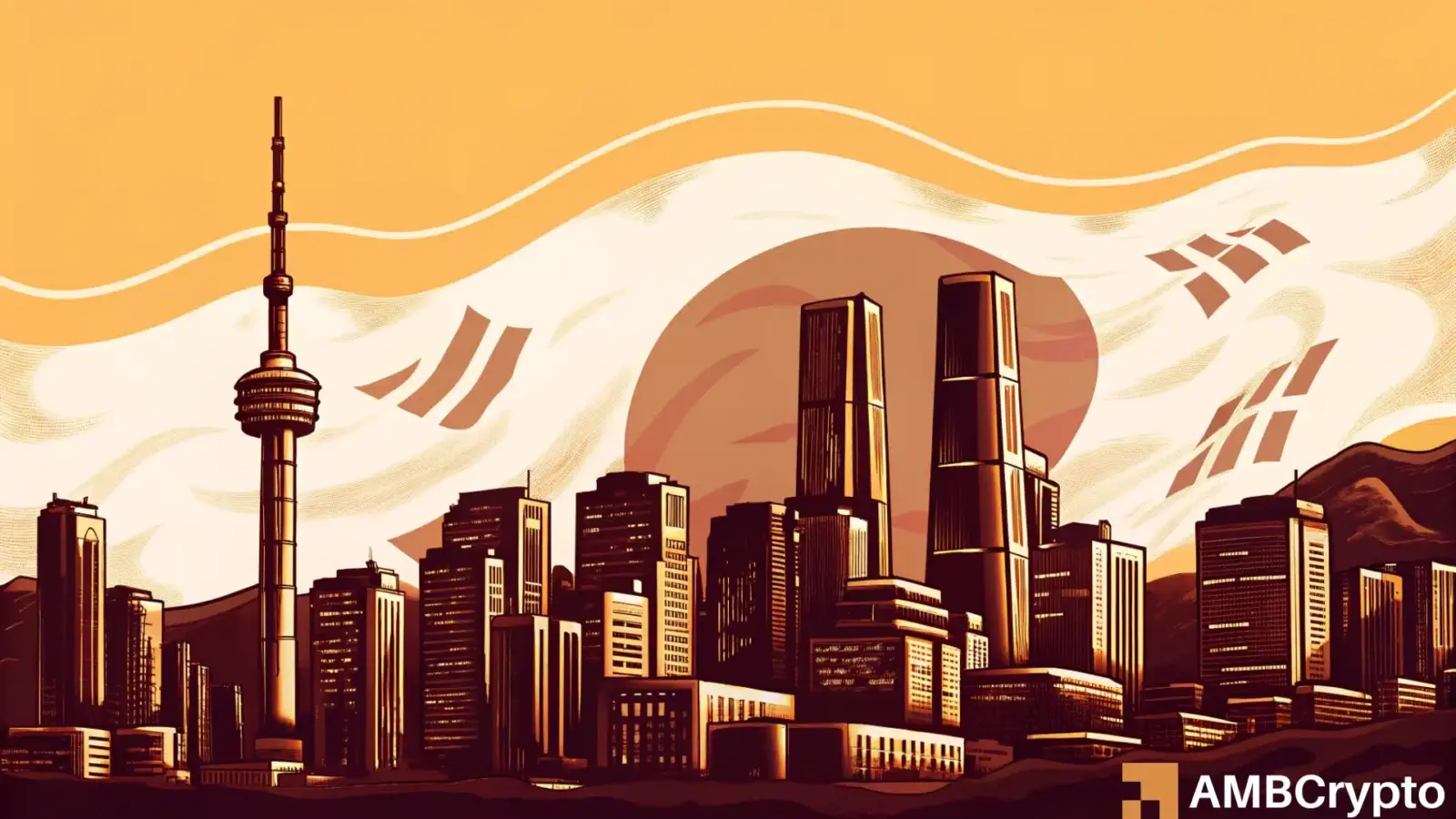
South Korea could be closer than expected to launching its own stablecoin! With chatter around a KRW-backed token picking up, the country is becoming one of the most closely watched markets.
Here’s why.
South Korea – One of the world’s biggest retail markets
With over 18 million citizens already participating, South Korean crypto trading is fast-moving and retail-centric. At multiple points, their activity has rivalled traditional equity markets!
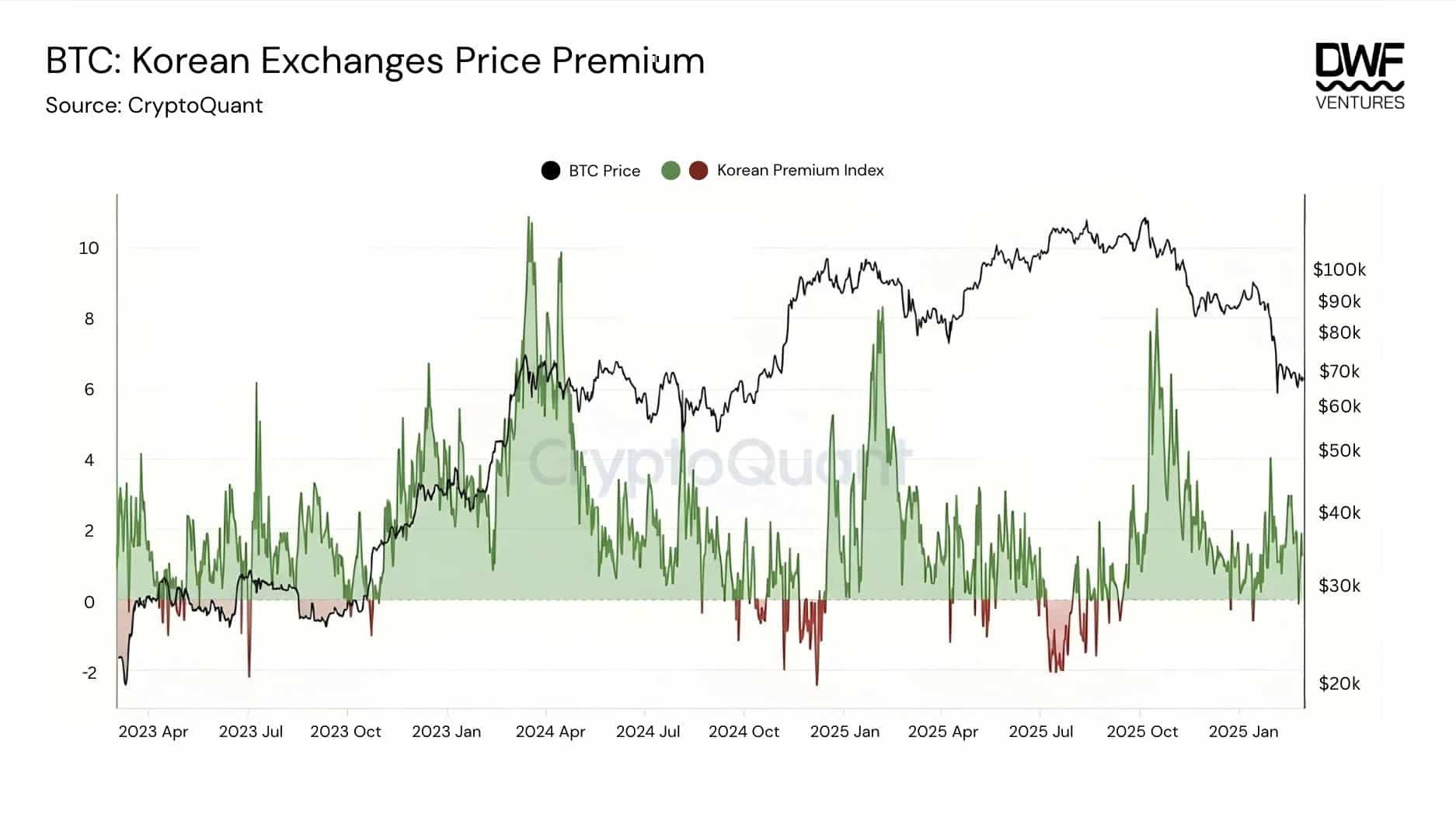
However, this demand hasn’t always been efficient. The “Kimchi Premium,” where assets trade at higher prices on local exchanges, makes the gap between domestic and global markets clear. There’s both local demand and limited capital flow flexibility.
This is where a KRW stablecoin starts to make sense. A local alternative could reduce reliance on USD-based stablecoins and improve liquidity in KRW trading pairs. At the same time, it also helps achieve faster settlement.
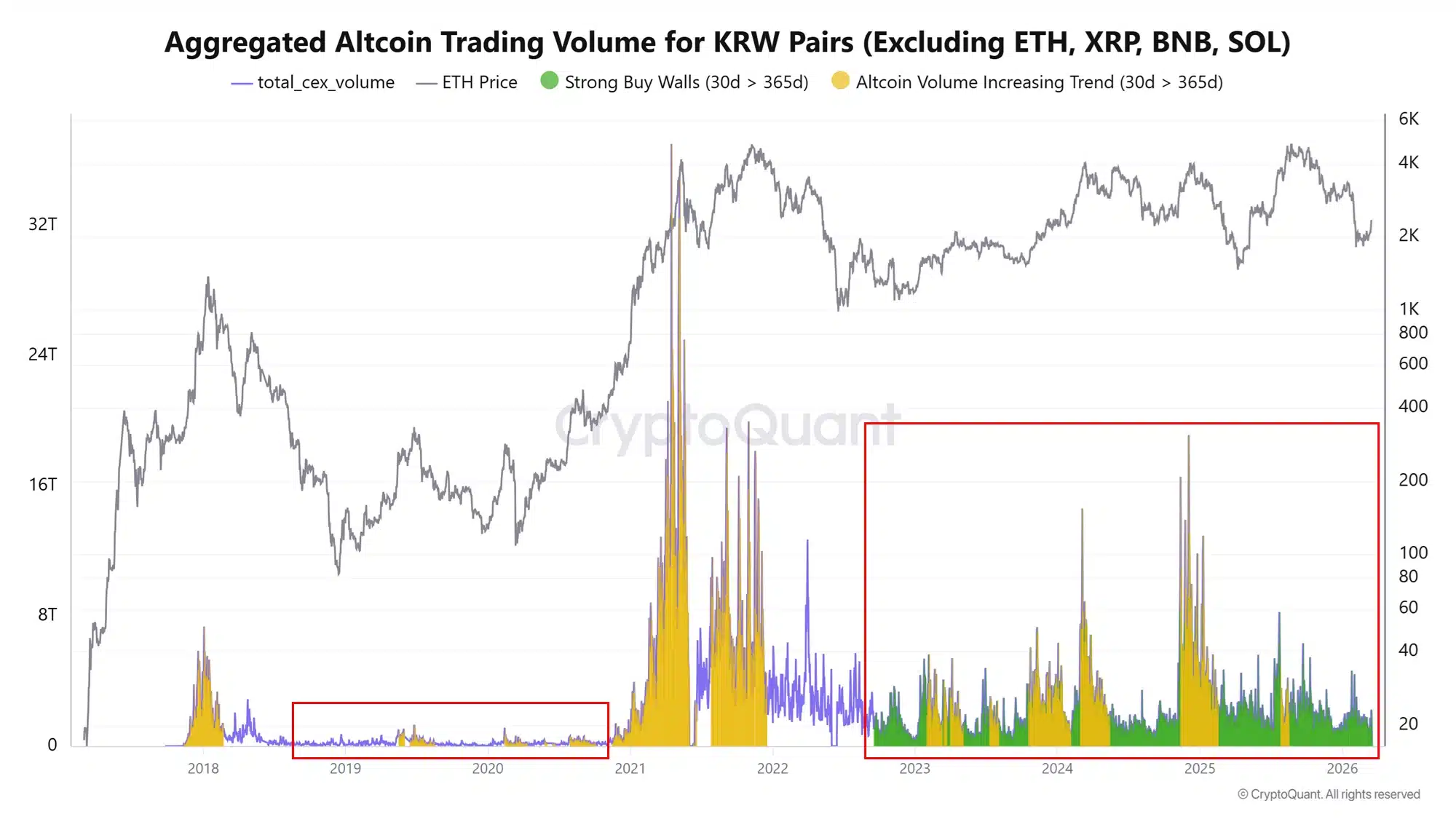
And, here’s where it gets interesting; it’s not just the retail market. Large players on Korean exchanges have been absorbing sell-side pressure for years, creating a nice support wall that keeps liquidity intact.
Regulation is a hurdle
The Bank of Korea has taken been cautious, pushing for a bank-led model to retain control over issuance.
That’s where the debate becomes important, about whether stablecoins should be issued solely through banks or if private players can too. While tech firms and crypto companies are ready to move, regulators aren’t quite there yet.
The upcoming Digital Asset Basic Act (DABA) is expected to be the key trigger.
What happens if laws come into place?
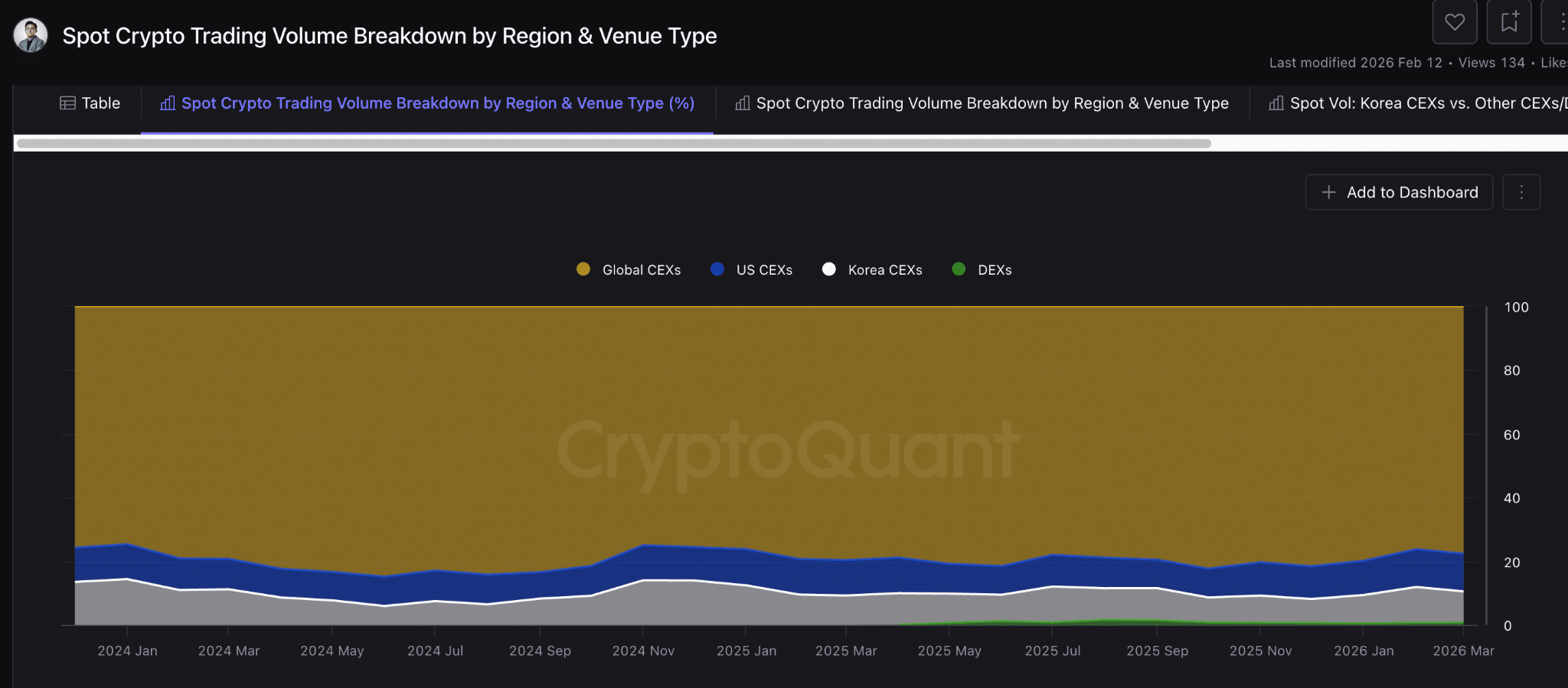
Once regulation clears, the wheels will turn quick. In fact, according to data from CryptoQuant, South Korea contributes considerably to global spot volumes.
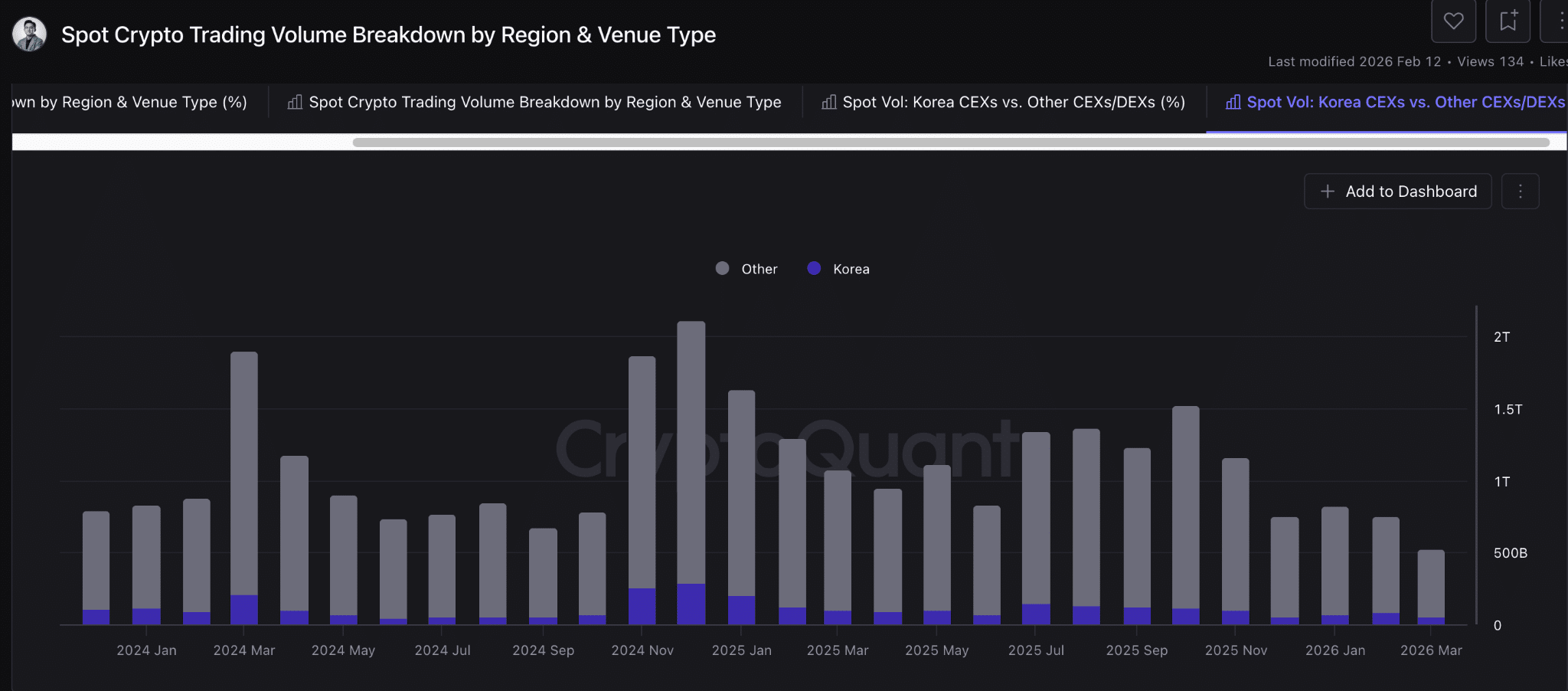
At the same time, trading is also heavily concentrated on CEXs. So, it’s clear that users prefer simple, familiar platforms.
A KRW stablecoin could be integrated into super apps like Naver or Kakao, it would make crypto feel like any other payment method. Cross-border transactions don’t have to rely on USD rails, cutting costs and delays. And, with more activity going on-chain, regulators would be able to oversee better.
Final Summary
- South Korea’s 18M+ crypto users could make the KRW stablecoin a high-impact category.
- Regulations will decide how quickly things move.
Go to Source to See Full Article
Author: Samyukhtha L KM