
Peer-to-peer transfers made through self-custody crypto wallets are a key weak point in the stablecoin ecosystem because they can take place without a regulated intermediary, the Financial Action Task Force (FATF) said in a new report urging countries to tighten oversight as stablecoins spread into payments and cross-border transfers.
In its report on stablecoins, unhosted wallets and P2P transactions, the global anti-money laundering watchdog said transactions conducted directly between users through unhosted wallets can occur without regulated intermediaries such as exchanges or custodians.
The FATF said this structure can create gaps in Anti-Money Laundering (AML) oversight because the transactions occur outside the attention of entities required to monitor activity and report suspicious transfers. The report highlighted growing regulatory attention on stablecoins as their use expands across trading, payments and cross-border transfers.
The watchdog called on jurisdictions to assess the risks created by stablecoin arrangements and apply “proportionate” mitigation measures, which can include enhanced monitoring when self-custody wallets interact with regulated platforms and clearer AML and counterterrorism financing obligations for entities involved in issuing and distributing stablecoins.
P2P stablecoin transfers seen as regulatory blind spot
The FATF said P2P transfers via self-custody wallets represent a “key vulnerability” because they can bypass AML controls typically enforced by regulated intermediaries.
These transfers occur directly between users without the involvement of virtual asset service providers (VASPs) or financial institutions subject to compliance obligations, limiting authorities’ ability to detect suspicious activity.
Related: Stablecoins, sanctions and surveillance: Why 2025 reshaped crypto’s regulatory reality
The FATF noted that transactions on public blockchains remain traceable because activity is recorded onchain. However, the pseudonymous nature of wallet addresses can make attribution more difficult.
Related: France arrests six suspects over crypto ransom kidnapping of magistrate
Illicit activity accounts for only 1% of the total crypto transaction volume
On Jan. 9, blockchain analytics firm Chainalysis found that illicit crypto addresses received at least $154 billion in 2025, with stablecoins accounting for 84% of illicit transaction volume.
The FATF reiterated the statistic in its report, emphasizing the current usage of stablecoins in illicit transactions.
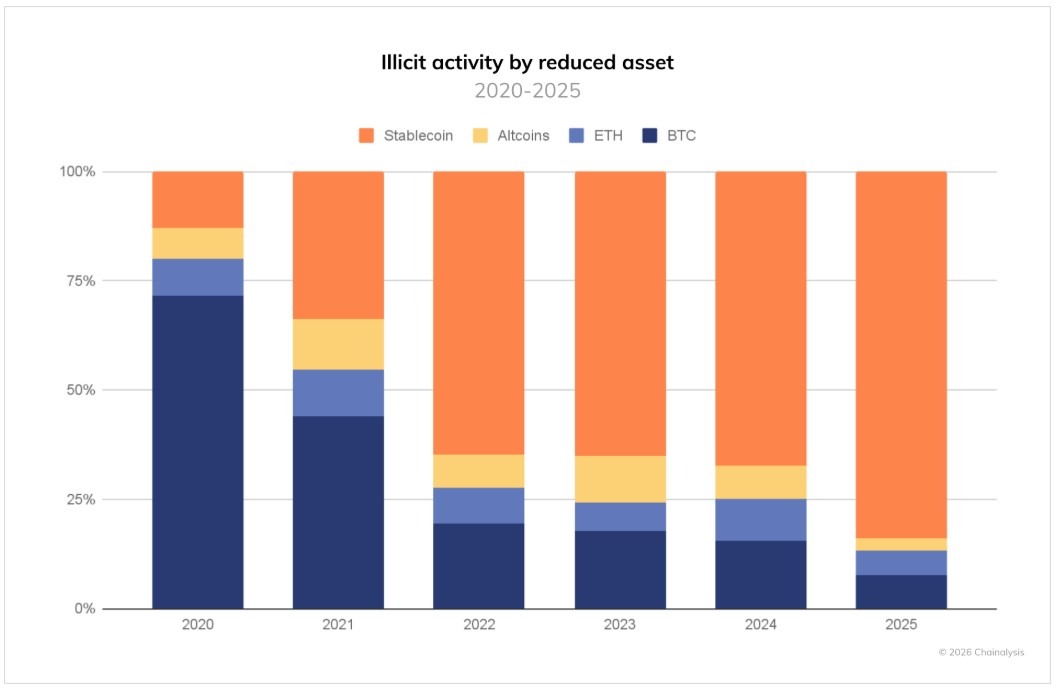
Chainalysis said illicit activity remains a small share of total onchain volume, even as absolute dollar totals have increased.
In the same report, Chainalysis said illicit transactions accounted for less than 1% of the total crypto transaction volume.
Magazine: Hong Kong stablecoins in Q1, BitConnect kidnapping arrests: Asia Express
Go to Source to See Full Article
Author: Ezra Reguerra