Cryptocurrencies are becoming increasingly integrated into the modern financial reality, and like any other asset, they are subject to taxes.
As a relatively new and rapidly growing asset class, cryptocurrencies attract increasing interest from investors and governments. As the global economy adapts to this digital innovation, countries take different cryptocurrency regulation and taxation approaches. How do cryptocurrency tax policies work around the world?
Table of Contents
Which countries require you to pay taxes on cryptocurrencies?
In the United States, it is simply impossible not to pay taxes — the authorities are very strict about this and tax almost everything, including digital assets.
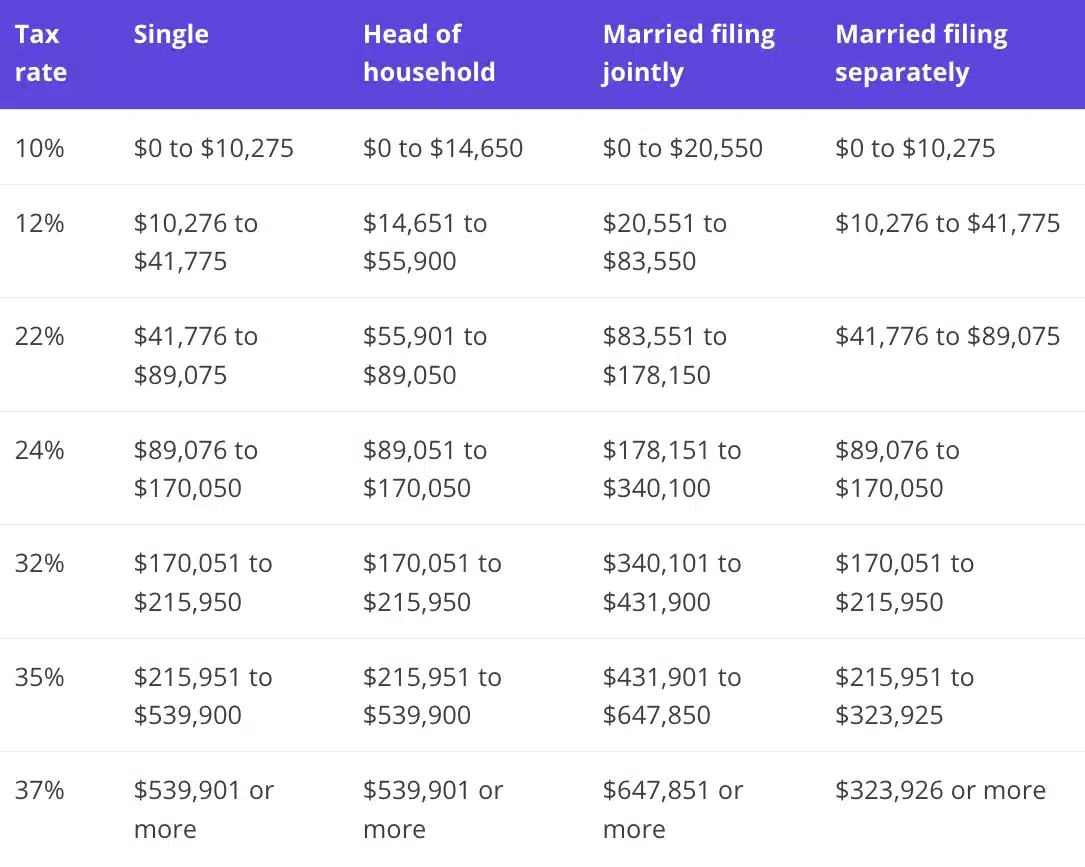
Crypto is treated as property, not currency. This means taxpayers must pay capital gains taxes when selling cryptocurrencies. The profit is subject to either short-term or long-term capital gains tax rates depending on how long the asset is held (less than one year or more).
In the UK, the picture is much the same — cryptocurrencies are taxed like other assets. Capital Gains Tax (CGT) applies to income above a tax threshold. If the revenue from cryptocurrency trading exceeds a certain amount, the taxpayer must file a tax return and pay tax.
The Australian Tax Office also classifies cryptocurrencies as assets. Investors must pay capital gains tax if they sell their tokens at a profit. However, there is a minor clarification — in some cases, cryptocurrencies used to purchase goods and services may be exempt from tax if the transaction amount does not exceed $10,000.
Overall, Europe is leading, with Switzerland taking the lead: some residents of that country can not only pay for their purchases with cryptocurren
Go to Source to See Full Article
Author: Anna Kharton