In July, the United States set a global benchmark for digital dollars with the passage of the GENIUS Act, the first federal framework for stablecoins. With this bill, Washington confirmed that dollar-backed tokens will underpin digital settlement.
The move has intensified debate in Asia. China faces a dilemma: promoting yuan use while preserving strict capital controls. Hong Kong offers a compromise through its new licensing regime, which took effect on August 1.
Sponsored
Sponsored
Hong Kong Opens While Mainland China Tightens
The Hong Kong Monetary Authority requires issuers to hold HK$25 million in capital, maintain segregated liquid reserves, and follow anti-money-laundering standards. No licenses have been granted yet.
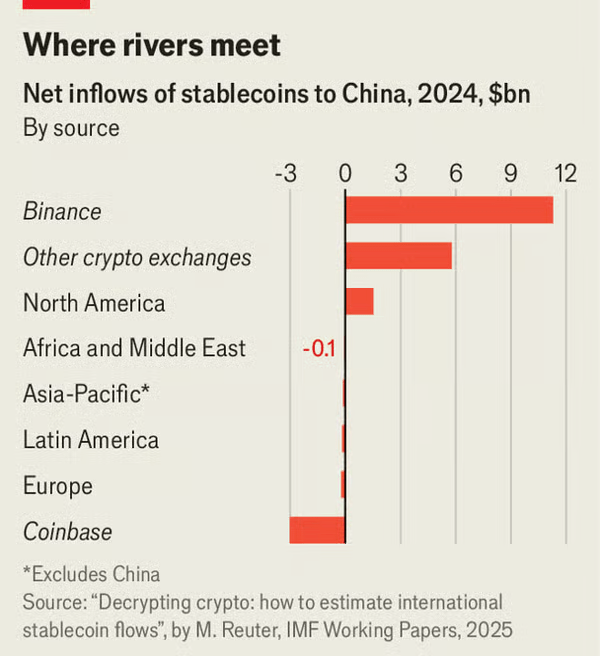
On the mainland, the People’s Bank of China reiterated that digital yuan pilots remain its priority. Beijing has cracked down on Tether-linked transfers and banned firms from holding crypto directly, limiting exposure to offshore subsidiaries or Hong Kong-listed products.
“The broader challenge… is the conservative culture of its finance industry.” Emil Chan, Hong Kong Digital Finance Association, said in a CNN interview.
Sponsored
Sponsored
Hong Kong has paired stablecoin rules with broader tokenization efforts. On August 7, regulators launched the world’s first real-world asset (RWA) registry to standardize data and valuations.
Go to Source to See Full Article
Author: Shota Oba